Mattress Technology & Sleep Science
How Latex Topper Thickness Changes Feel and Support
A latex topper can make a familiar mattress feel softer, more cushioning, or more responsive. Its thickness helps shape that change—but the result also depends on the bed underneath, the latex itself, and how you sleep.
Sometimes a bed is close to right, but not quite there. The support seems adequate, yet the surface feels a little too firm at the shoulder. Or the mattress is comfortable overall, but you would like a touch more cushioning without replacing the whole sleep system. A latex mattress topper can be one way to change that first impression.
Thickness is an obvious place to start. A thin layer may make a subtle difference; a deeper one may create a more noticeable cushion between your body and the mattress. But topper depth is not a simple comfort dial, and adding inches does not automatically mean adding better support. The way a latex topper feels depends on how it compresses, how quickly it springs back, what is beneath it, and whether its firmness suits your body and sleeping position.
Here is a practical guide to understanding latex topper thickness, the role of natural latex, and how to think about a topper as part of a complete sleep surface—not a stand-alone fix.
What a topper changes—and what it does not
A topper sits on top of a mattress, adding a comfort layer between the sleeper and the bed’s main construction. It can alter the surface feel and cushioning, and may change how pressure is distributed around areas such as the shoulders and hips. Depending on its design, a latex topper may also add a more buoyant, springy sensation.
It does not replace the mattress’s underlying support system. A mattress’s core, its condition, and the foundation supporting it still matter. If a mattress has a deep sag, a broken component, or uneven support, a topper may follow that shape rather than correct it. It can soften the immediate surface, but it cannot reliably restore a failing support core.
That distinction is useful: think of a topper as a way to adjust the comfort layer, not as a substitute for a structurally sound mattress. The best starting point is to identify what you want to change. Is the surface too firm? Does it feel too flat? Are you hoping to add a little cushioning, or to mask a visible dip? Those are different problems, and a topper is better suited to some than others.
Why thickness affects the feel
When you lie down, your body compresses the materials beneath it. A thicker topper creates more material through which that compression can travel before it meets the mattress. That extra depth can make the surface feel more cushioned and can make the change in comfort more noticeable, especially when the mattress underneath is firm.
A thinner latex layer generally changes the feel more modestly. It can take the edge off a firm surface while leaving more of the mattress’s original character intact. A thicker layer may create a more distinct comfort zone of its own, which can make the bed feel more different from the one you started with.
Still, thickness does not work alone. A firm, thin topper may feel less yielding than a softer, thinner one. A thicker, firmer topper may provide a substantial layer without feeling plush. Material formulation, firmness, the sleeper’s body, and the mattress below all influence how much the topper compresses—and how that compression is experienced.
It helps to picture the bed as a set of cooperating layers. The topper sets the first impression; the mattress beneath it determines how the deeper layers respond. When the two work well together, the surface can feel cushioned while the bed continues to support the body. If they are poorly matched, the topper may feel either too yielding or barely noticeable.
Pressure relief is about more than inches
Pressure relief is often part of the reason people consider a latex mattress topper. When a surface is very firm, prominent areas of the body can feel as though they are meeting too much resistance. A comfort layer that compresses under those areas may help distribute contact more broadly. The exact experience varies from person to person, so it is more useful to treat pressure relief as a comfort goal than as a guaranteed result.
Thickness can influence how much room the material has to compress, but softness and body weight also matter. Someone with a lighter build may not compress a firm topper as much as a heavier sleeper does. The same layer can therefore feel quite different to two people sharing a bed. Sleeping position changes the picture, too: a side sleeper’s shoulder and hip may press into the surface differently from a back sleeper’s torso.
Too much cushioning can also be a mismatch. If a surface gives way substantially beneath the pelvis or another heavier area, the sleeper may feel less evenly supported. That does not mean that soft surfaces are inherently unsupportive; it means the whole combination should be considered. A topper that is comfortable at first touch still needs to feel appropriate after the body settles in.
When assessing the result, notice more than whether the surface feels soft. Consider whether you can settle into a comfortable position, whether pressure feels more manageable, and whether the bed continues to feel stable beneath you. Comfort is personal, and a few minutes of testing may not tell the full story.
Natural latex: responsive, resilient, and distinct
Natural latex is valued for its resilient feel. Rather than slowly molding around the body in the way some people associate with memory foam, latex typically compresses and rebounds with a more buoyant response. It can provide cushioning without making the surface feel as though it is holding the sleeper in place.
That responsive character influences how thickness feels. A deeper latex topper may add a more noticeable cushion, yet it can still feel springy rather than deeply enveloping. A thinner layer is more likely to let the mattress’s original feel come through. Neither effect is automatically better: the right balance depends on the sleeper’s preferences and on what the mattress already provides.
“Natural latex” describes the material’s source, while terms such as Dunlop and Talalay refer to different manufacturing methods. These processes can contribute to differences in feel, but the label alone does not tell you exactly how a particular topper will perform. Density, firmness, construction, and the rest of the sleep system matter as well. If you are comparing layers, look for clear specifications instead of assuming that a material name or an organic designation predicts softness.
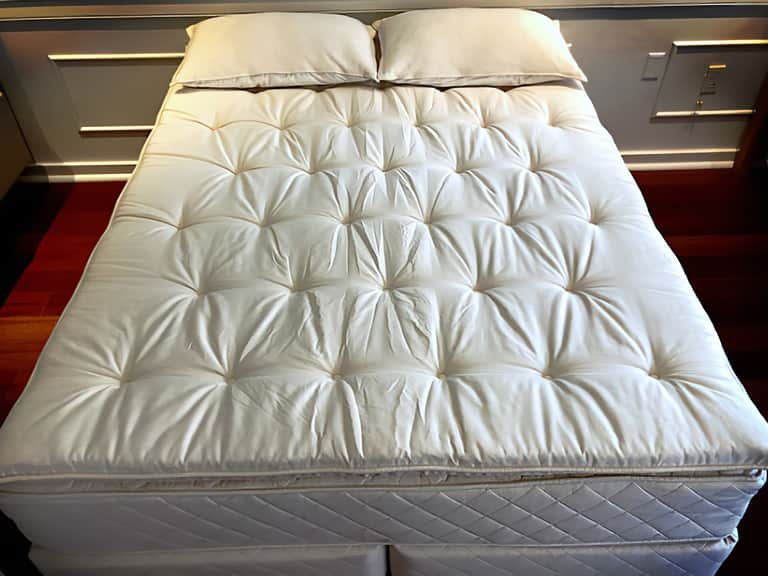
For readers curious about how a topper can be integrated into a latex bed, the Naturally Organic Hudson Luxe Latex Mattress describes a layered construction that includes a latex-and-wool topper over a latex mattress. It is an example of a built-in comfort arrangement, not a universal thickness recommendation: the feel comes from the combination of the topper, mattress layers, and upholstery.
The Obasan Grand Dunlop Latex Mattress is another example of a sleep system described with a separate topper alongside its latex layers. Such configurations help illustrate why overall height alone does not tell the whole story. The layers’ materials, firmness, and arrangement all contribute to the final surface feel.
Start with your sleep position and the mattress beneath you
There is no single latex topper thickness that suits every sleeper. Instead of choosing by depth alone, consider how your body meets the mattress and what you want the topper to do.
- Side sleeping: The shoulder and hip may need more room to settle into the surface. If those areas feel uncomfortable on a firm mattress, additional cushioning may be worth exploring. A thicker layer is not automatically the answer; firmness and the mattress beneath it still count.
- Back sleeping: Think about whether the surface feels balanced from shoulder area through pelvis. You may want modest extra cushioning without changing the overall stability of the bed.
- Stomach sleeping: A very yielding surface may not feel comfortable for everyone in this position. Consider how the entire bed responds rather than assuming that extra softness will improve the fit.
- Combination sleeping: If you change positions during the night, note whether the topper’s responsiveness makes repositioning feel easy and whether the surface feels comfortable in each usual position.
These are prompts for observation, not medical advice or rigid rules. Body shape, mattress design, personal comfort, and any existing pain or mobility concerns can all affect what feels right. If sleep discomfort is persistent, severe, or connected with a health condition, a qualified healthcare professional is a more appropriate source of guidance than a bedding adjustment alone.
Read the mattress’s condition before adding a layer
Before changing the surface, take a close look at the bed itself. A topper is most useful when the mattress is broadly sound but the comfort feels slightly off. If the mattress has a pronounced body impression, an uneven center, damaged seams, or a base that flexes where it should not, the underlying issue may be more than a comfort-layer mismatch.
Check the foundation as well. A mattress placed on an unsuitable or damaged base may not perform as intended, regardless of what sits on top. Follow the mattress maker’s support and care instructions, particularly for latex systems, which may require an appropriately ventilated base or specific slat spacing. A topper cannot compensate for an incompatible foundation.
Also consider the existing mattress cover and any other layers already in use. A thick pad, protector, or built-in comfort layer may affect how the topper feels. The final sleep surface includes all of these components, so evaluating one layer in isolation can be misleading.
A practical way to think through thickness
Rather than chasing a particular number, use a simple sequence to clarify what you need:
- Name the problem. Decide whether you want a softer first feel, more cushioning at pressure points, or a different kind of surface response. “The bed feels wrong” is a start, but a more specific description is more useful.
- Separate comfort from support. Ask whether the mattress feels too firm at the surface or whether it feels uneven or sagging underneath. A topper is designed to adjust the former more directly.
- Consider how much change you want. A thin layer may preserve more of the mattress’s original feel. A thicker layer can make a stronger change, but it also becomes a more prominent part of the system.
- Compare firmness and material details. Thickness is only one specification. Look for information about firmness, latex type, cover construction, and whether the layer is intended to sit on a mattress.
- Check practical fit. Make sure the combined height works with fitted sheets, mattress protectors, bed rails, and the frame. A thicker sleep surface may require deeper-pocket bedding.
- Review trial and care terms. If available, understand the return or exchange policy, recommended setup, and care instructions before committing. Latex toppers are not generally washed like ordinary bedding.
This process keeps the decision focused on how the sleep surface should function, not just how tall it should be. It also helps set realistic expectations: a topper can adjust comfort, but it cannot guarantee better sleep or resolve every source of nighttime discomfort.
What to expect from a new topper
A new layer can make the bed feel different right away, but it is worth giving yourself time to notice how it works across ordinary nights. Pay attention to the surface when you first lie down and after you have been in your usual position for a while. Does the cushioning remain comfortable? Does the latex’s rebound feel pleasant, or more pronounced than you expected? Can you move naturally?
Small details can shape the experience. The topper should lie flat and match the mattress dimensions. Sheets should fit without pulling the corners or compressing the surface unevenly. A protector should be suitable for the layer and should not introduce a feel or sound you dislike. Follow the manufacturer’s directions for airing, positioning, and care rather than improvising with water, heat, or cleaning products.
It can help to change only one part of the sleep setup at a time. If you add a topper while replacing pillows, changing bedding, and moving the mattress to a new base, it becomes harder to tell which change is responsible for the difference. A short comfort journal—position, pressure, warmth, and general ease of settling—may help you describe what you notice without turning sleep into a nightly test.
Common assumptions worth leaving behind
- “Thicker always means softer.” Not necessarily. Firmness, composition, and how deeply the material compresses all play a role.
- “A topper fixes any old mattress.” It may improve surface comfort, but it cannot reliably repair a sagging or damaged core.
- “Organic means one particular feel.” Organic certification concerns specified production or processing standards; it does not, by itself, define firmness, cushioning, or suitability.
- “One sleep position dictates the answer.” Position is a useful clue, not a complete formula. Body build, comfort preference, and mattress construction matter too.
- “A topper is a medical treatment.” It is a bedding component. It may change how a surface feels, but it should not be treated as a diagnosis or cure for pain or a sleep disorder.
The bottom line
Latex topper thickness changes how much cushioning a sleeper may notice and how distinctly the topper contributes to the bed’s overall feel. A thinner layer may make a gentler adjustment; a thicker one may have a stronger presence. But neither depth nor material label, considered alone, can predict the right result.
Start with the mattress beneath the topper, the condition of its support, and the specific comfort change you hope to make. Then consider sleep position, firmness, latex construction, fit, and care. In a well-matched sleep system, the topper adds a useful comfort layer while the mattress and foundation continue to do their part.
The aim is not to find the thickest layer or the most impressive specification. It is to understand how each component contributes to the feel of the bed—and to make a measured adjustment that suits the person sleeping on it.