A Practical Guide to Latex Mattresses: Types, Benefits, and Care
Latex mattresses offer distinctive comfort, durability, and a responsive feel that can transform how you sleep. In this comprehensive guide, we explore the main latex types, how they influence support and longevity, and practical care tips to keep a latex mattress performing at its best for years.
When you hear the word latex in the context of sleep surfaces, two broad paths often come to mind: natural latex harvested from rubber trees and synthetic or blended latex produced through chemical processes. The material behaves differently from traditional memory foam or innerspring setups, delivering a unique combination of bounce, contour, and temperature regulation. For many sleepers, latex offers an inviting balance of pressure relief and support, without the slow sink that some other foams exhibit. Yet the category is nuanced. The volume of choices—natural versus synthetic blends, Dunlop versus Talalay processing, and variations in firmness—means there’s a latex mattress for a wide spectrum of sleeping styles.
What makes latex distinct?
Latex is a resilient, elastic material that returns to shape quickly after each movement. This resiliency contributes to a feeling often described as “lift” or buoyancy, which can help with ease of movement and reduced heat buildup for some sleepers. Latex also tends to be durable and naturally resistant to dust mites and mold, especially when produced with high-quality processing and protective covers. Temperature behavior varies with the formulation; some users report cooler sleeping surfaces with certain latex blends, while others notice less breathability in thicker layers. The core differences come down to the source of latex, the manufacturing method, and the presence of any additives or fillers.
Latex types and construction
The two most common processing methods are Dunlop and Talalay. Dunlop latex is typically denser and offers a straightforward, robust feel. It is often used for core layers, base layers, or fully Dunlop-built mattresses, and many buyers appreciate its durability and straightforward response. Talalay latex, on the other hand, is frequently lighter and achieves a more uniform cellular structure, resulting in a smoother, more consistent feel across the surface. Talalay latex can feel more buoyant and responsive, with a slightly airier texture that some sleepers prefer for pressure relief.
In addition to processing methods, latex can be categorized by its source:
- Natural latex: Derived from the rubber tree sap, often labeled as 100% natural latex. It is typically more expensive but widely sought for its perceived purity and performance.
- Blended latex: A mixture of natural latex with synthetic latex or fillers. Blends can offer a balance of cost, performance, and durability.
- Synthetic latex: Made entirely from petrochemical compounds. Synthetic variants may be more affordable but can differ in feel and longevity compared to natural latex.
Practical selection guidance depends on sleeping position, firmness preferences, and sensitivity to temperature. Here are general considerations:
- Side sleepers often benefit from a slightly softer latex layer that cushions shoulders and hips without compromising spinal alignment.
- Back sleepers may prefer a medium to medium-firm feel, offering support for the lumbar region while still providing surface comfort.
- Stomach sleepers typically need firmer support to prevent excessive bending of the neck and lower back, which can be achieved with denser Dunlop constructions or firmer Talalay layers.
- Heavier sleepers may favor denser Dunlop cores for durability, while lighter sleepers might appreciate the buoyancy and pressure relief of Talalay layers.
How latex affects durability and longevity
Latex is renowned for its resilience. A well-constructed latex layer or a latex-based hybrid can maintain its shape and performance for many years. The lifespan depends on several factors:
- Quality of latex: Higher purity natural latex and well-controlled processing tend to age better.
- Foam density: Denser cores and higher density latex layers typically resist compression and sagging longer.
- Layer configuration: Mattresses with multiple latex layers or a latex core teamed with other materials can distribute wear and preserve feel.
- Foundation compatibility: A sturdy foundation or base that avoids excessive bending or edge collapse helps maintain a mattress’s shape across time.
Care and maintenance for latex mattresses
Caring for a latex mattress is about preserving comfort, hygiene, and structural integrity. While latex is generally resilient, routine care helps it perform at its best. Consider the following practical steps:
- Use a breathable, protective cover: A natural-fiber or moisture-wicking cover helps maintain a comfortable surface and can reduce exposure to sweat and oils.
- Avoid placing latex directly on damp or poorly ventilated surfaces: A solid foundation or slatted base with adequate airflow contributes to longevity and reduces the risk of moisture buildup.
- Rotate or flip as recommended by the manufacturer: Some latex mattresses are designed for rotation only, while others allow flipping of layers for even wear. Follow the guidance for your specific model.
- Clean with mild, non-abrasive products: If you need surface cleaning, use a gentle soap and water solution, then dry thoroughly. Do not saturate latex with water.
- Address spills promptly: Wipe away liquids and allow surface to dry completely before re-covering.
- Inspect for signs of wear: Minor indentations or a slight loss of initial bounce can be normal, but persistent sagging or uneven contouring warrants a check with the manufacturer.
Latex mattress options in the market
The market offers a spectrum of latex-based products, from fully latex mattresses to hybrids that pair latex layers with innerspring supports or other foam systems. When comparing options, consider:
- Layer composition: How many latex layers, whether both Dunlop and Talalay are used, and where the softer versus firmer layers are placed.
- Core structure: Whether the core is solid latex, split-density, or combined with pocketed coils for edge support and zoned feel.
- Cover materials and climate factors: The outer cover’s breathability and the overall temperature behavior of the mattress surface.
- Certifications and sustainability: Look for certifications that reflect material purity, safety standards, and environmentally conscious practices.
- Trial and warranty terms: Transparent trial periods and robust warranties can offer confidence in your purchase.
Notable considerations for specific sleep profiles
Since latex feels distinct from other foams, your sleeping profile can influence satisfaction:
- Couples with different firmness preferences: A few latex configurations allow different firmness levels on each side in split models, a practical solution for varied comfort needs.
- Individuals with allergies or sensitivities: Natural latex has a track record for low chemical off-gassing when produced with high standards; however, some people may react to latex proteins. A cover that reduces allergen exposure can help, and an informed selection between natural, blended, or synthetic latex is prudent.
- Temperature-sensitive sleepers: Latex generally breathes well, but a very thick latex construction or dense blends might feel warmer to some. A latex model with better airflow or a cooler cover can offset this sensation.
A note on natural vs synthetic blends in this guide
This guide emphasizes the practical implications of latex products for everyday sleep. When choosing, readers should weigh the value of natural latex’s purity and eco-conscious credentials against price and availability of blends. The right choice depends on personal priorities like environmental impact, budget, and sensitivity to temperature.
A quick comparison at a glance
Here is a compact reference to help you remember how the main latex options typically feel and perform:
- Natural Dunlop latex: Dense, durable, often with a more substantial feel; great for solid, supportive cores.
- Natural Talalay latex: Lighter and more buoyant, with a consistent,airy surface; ideal for a balanced, responsive experience.
- Blended latex: A middle ground between natural feel and cost considerations; performance varies with blend ratio.
- Synthetic latex: Typically the most affordable option; performance can diverge in feel and longevity from natural latex.
What to expect in terms of care and maintenance during ownership
A latex mattress can be a long-term sleep partner when properly cared for. Routine upkeep helps preserve its feel, contour, and resilience. Always refer to the manufacturer’s care instructions for specifics, as designs vary across brands and models. Nonetheless, the general principles outlined here apply across most latex products:
- Regular airings and occasional surface cleaning keep the mattress fresh and reduce odors.
- Protect your investment with a breathable, non-airtight cover that allows moisture to escape.
- Avoid exposing the surface to sharp objects or prolonged direct sunlight, which can affect the cover and surface integrity.
> - Respect weight and usage guidelines recommended by the maker, especially for edge support and layering configurations.
Real-world considerations: selecting a latex mattress that fits you
Choosing a latex mattress is an exercise in balancing personal comfort with long-term durability. If you are unsure where to start, here are stepwise considerations:
- Identify your preferred firmness: Soft, medium, or firm. Remember that latex often feels different from memory foam, offering a distinct responsiveness that can alter perceived firmness.
- Assess your temperature sensitivity: If you sleep hot, look for models with good airflow, breathable covers, and, if possible, vertically layered constructions that promote air movement.
- Choose your core and layering strategy: Decide whether you want a solid latex core, a hybrid configuration with a coil system, or multiple latex layers to tailor pressure relief and support.
- Check certifications and safety: Materials certifications can provide assurance about the product’s safety and manufacturing standards.
A brief on price-performance and value
Latex mattresses span a broad price range, largely driven by latex source, density, and the complexity of multiple-layer designs. Natural latex with high density and Talalay processing tends to be premium-priced but offers notable longevity and a distinct feel. Blends and synthetic options can be more budget-friendly, but the trade-offs may include a different lifecycle and comfort evolution over time. When evaluating value, consider:
- Estimated lifespan and warranty coverage
- Quality of cover fabrics and reinforcement at junctions
- Delivery, setup, and any return or trial policies
- Overall sleeping comfort and whether the bed aligns with your sleep health goals
Final thoughts: latex as a versatile sleep solution
Latex mattresses occupy a distinctive place in the sleep-technology landscape. They offer a blend of resilience, contour, and breathability that many sleepers find appealing for long-term comfort. By understanding the core differences between Dunlop and Talalay processes, along with natural versus blended sources, readers can make informed decisions tailored to their sleep style, body weight, and climate. As with any mattress, real-world testing—via trial periods or in-store demonstrations—remains the best guide to whether latex is the right path for you.
Related resources and where to look next
For readers who want to deepen their understanding beyond this guide, seek out manufacturer specifications, independent sleep-science research, and consumer protection resources that discuss mattress safety standards, certifications, and care guidelines. A robust resources hub can help you connect with non-commercial studies and reputable organizations dedicated to sleep health.
Product note
The article references products available on this site only when they genuinely fit the topic. If a product aligns with latex mattress construction or materials, it will be linked to its official product page. As of now, consider exploring latex-based options that demonstrate the characteristics described here.
Selected product you might consider (example)
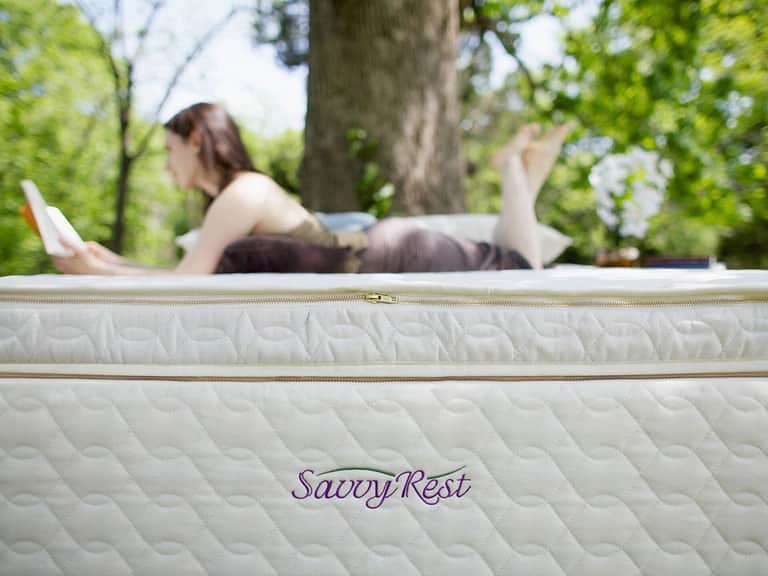
Savvy Rest Unity Pillowtop Latex Mattress is an example of a latex-based option that illustrates how layered latex configurations can create a plush, supportive surface. If you’re exploring a latex-driven setup, review the product’s specifications to understand layer composition, customization options, and warranty terms. Link to product page for reference: Savvy Rest Unity Pillowtop Latex Mattress.
Note: The content above is provided for educational purposes and reflects general considerations about latex mattresses. Always verify current product details, materials, and safety information directly from manufacturers and retailers.